

Blog
Patio Door in Gatineau: Common Installation Mistakes to Avoid
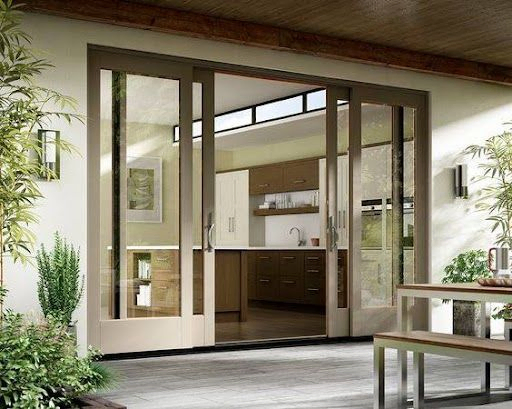
1. Why Installing a Patio Door in Gatineau Is Higher Stakes Than It Looks
Installing a patio door in Gatineau is trickier than it looks because our winters, freeze–thaw cycles, and heavy rain expose every small mistake. This guide walks you through the most common installation errors, how to spot them, and when it is smarter to call a local glass company instead of risking a costly DIY.
In a cold city like Gatineau, a poorly installed patio door can mean cold drafts, condensation, leaks, and mold — plus energy bills that creep up every month. Natural Resources Canada estimates that windows and doors can account for up to 25% of a home’s heat loss, so any gap or weak seal around your door matters.
Add Gatineau’s deep-freeze temperatures (average January lows near -15 °C) and regular freeze–thaw swings, and you get expansion, contraction, and water that wants to sneak into every crack. A “good enough” DIY patio door installation in Gatineau often turns into ice on the track, water on the floor, or a door that becomes harder to open every year.
Vitrerie de la Vallée has handled doors and windows across Gatineau and the Outaouais since the 1990s, including complex commercial and institutional work. That same precision is what keeps a simple residential sliding patio door in Gatineau from turning into a recurring headache. Let’s walk through the mistakes to avoid so you can decide when to DIY and when to bring in a pro.
2. Mistake #1: Measuring Your Patio Door Opening Wrong in Gatineau
The first big mistake is mismeasuring the opening, which leads to a patio door that is too tight, too loose, or impossible to seal properly. In older Gatineau homes especially, rough openings are rarely perfectly square or level, and assuming they are will cause problems right from day one.
When people plan a patio door installation in Gatineau, they often measure only the visible opening and forget about:
- Differences between the top, middle, and bottom width of the opening
- Out-of-square walls in older duplexes and bungalows
- Future flooring height (new tiles, engineered wood, or deck boards)
- Exterior finishes like new siding or stone veneer that change clearances
The “rough opening” is the framed hole in the wall, measured stud to stud and sill to header. A patio door unit must be slightly smaller than this rough opening to allow for shims, insulation, and adjustment. If the gap is too tight, you cannot insulate properly. If it is too big, you end up overfilling with foam and struggling to anchor the frame solidly.
Another common scenario in Gatineau patio door replacement is wanting a larger opening to bring in more light. As soon as you cut a structural stud or change the header size, you are into structural work that can trigger permits and engineering requirements under the Québec Construction Code. That is where a local patio door installer in Gatineau can confirm what is realistic, how to support the load, and whether you need to coordinate with the City for permits.
The bottom line: take careful, multi-point measurements, consider all upcoming finishes, and do not assume the opening is square. If the project involves enlarging or moving the opening, talk to a qualified contractor or a company like Vitrerie de la Vallée before you order the door.
3. Mistake #2: Ignoring Level, Shimming, and Structural Support
The second big mistake is setting the patio door on an uneven base or using shims incorrectly, which leads to doors that do not slide smoothly, do not latch properly, or twist over time. In Gatineau’s climate, small alignment errors get worse as the house moves with freeze–thaw cycles.
Patio doors are heavy, especially modern triple-glazed units or large glass patio doors for Outaouais riverfront homes. All that weight must be carried evenly along a solid, level sill. If the bottom track is even a few millimetres out of level, rollers will wear faster, the active panel will drift open or closed by itself, and locks may not line up with the keepers.
Proper shimming means:
- Creating a perfectly level, continuous support under the sill (often with composite shims over a solid sub-sill)
- Shimming at manufacturer-recommended points along the jambs and head, not randomly “where it feels loose”
- Anchoring through shims so that fasteners do not pull the frame out of shape
DIYers often under-shim, over-tighten screws, or skip checking the frame for square after each adjustment. The result is a sliding patio door in Gatineau that works on day one but starts sticking after a winter or two as the opening moves. Seasonal movement is normal in our area; the key is installing the unit so it can handle that movement without binding or letting gaps open up.
A simple diagnostic for signs of bad patio door installation here:
- Open and close the door slowly – does it speed up, slow down, or feel “bumpy” on the track?
- Try the lock – does the latch engage smoothly without lifting or pushing the panel?
- Look at the gaps – are they consistent around the top and sides, or tighter in one corner?
If you notice uneven gaps or a door that keeps going out of adjustment, the frame or sill may not be properly supported. That is a good moment to bring in a local patio door installer in Gatineau to correct the structure before hardware fails or glass cracks.
4. Mistake #3: Weak Insulation, Air Sealing, and Flashing in a Cold City
The third major mistake is treating the patio door like any interior door and skipping serious insulation, air sealing, and flashing details. In a cold-climate city, this is exactly how you get drafts, condensation, and even hidden rot around a patio door in Gatineau.
Typical problems include:
- Big gaps around the frame that are only loosely stuffed with fiberglass
- Spray foam that is overfilled and warps the frame as it expands
- No sill pan or membrane to protect the subfloor from leaks
- Missing or poorly detailed flashing tape at the head and jambs
A sill pan is a sloped, waterproof base (metal or membrane) that sits under the door and directs any water that gets past the track back to the exterior. Flashing tape is a self-adhesive membrane that seals the joint between the door frame and the wall. In Gatineau’s climate, where snow builds up on decks and heavy rain can drive against the door, both are essential.
Without these protections, you can see issues like:
- Cold air leaking around the trim, especially on windy -20 °C days
- Condensation or even frost at the bottom of the frame (“patio door condensation at bottom” searches are often caused by poor sealing)
- Soft, spongy flooring near the door from slow, repeated water exposure
Energy-efficient patio doors rated for Québec’s climate can significantly reduce heat loss, but only if they are installed correctly. ENERGY STAR notes that high-performance doors and glazing can cut energy use, yet they emphasize that proper installation is critical to achieving those savings.
To avoid these common patio door installation mistakes, a pro will usually:
- Install or verify a sloped sill pan or flashing membrane under the door
- Use appropriate low-expansion foam or mineral wool insulation around the frame
- Apply high-quality flashing tape and sealants compatible with local materials
In Gatineau, that extra attention pays back quickly in lower heating bills, fewer drafts, and a door that feels comfortable to stand beside in January instead of like a cold spot in the room.
5. Mistake #4: Choosing the Wrong Door for the Opening and Exposure
The next mistake is picking the wrong type of patio door for your opening, sun exposure, or wind conditions. Not every sliding or hinged unit sold at a big-box store is a good fit for the Outaouais climate or for a specific home in Gatineau.
Some common mismatches include:
- Choosing a basic builder-grade door for a north-facing wall that gets strong winter winds
- Ordering a configuration (left/right handing) that clashes with your interior layout or deck stairs
- Ignoring glass performance, leading to overheating on a south-facing wall in summer and heat loss in winter
For the best patio door for a cold climate in Québec, look for:
- Good U-factor and low-E coatings appropriate for our heating-dominated season
- Quality weatherstripping and multi-point locking systems
- Options like triple glazing or warm-edge spacers where budget allows
Security and safety matter too, especially for families. Multi-point locks, robust frames, and laminated glass can make a big difference if your glass patio door in the Outaouais faces a backyard that is not fully visible from the street. For higher decks or balconies, guard heights and railing integration around a patio door in Gatineau condos also need to be planned carefully.
Here is a simple comparison for typical choices:
| Option | Pros for Gatineau | Cons / Risks |
| Basic sliding patio door | Lower cost, space-saving, widely available | May have weaker insulation and hardware, more drafts if not installed perfectly |
| Higher-performance sliding door | Better glass, tighter seals, smoother operation in winter | Higher upfront cost |
| Hinged / garden door | Strong seal, good security, classic look | Needs swing clearance inside or outside |
A conversation with a local glass company for patio doors in Gatineau can help you match the right unit to your exact wall, exposure, and lifestyle so you are not stuck living with a cold or awkward door for the next 20 years.
6. Mistake #5: Underestimating Codes, Warranty Rules, and Safety
The last big mistake is ignoring building codes, safety requirements, and manufacturer warranties. Cutting corners here can lead to expensive surprises if you ever sell your home, need an inspection, or try to make a warranty claim on your patio door in Gatineau.
In Québec, the Construction Code and the National Building Code set out rules for things like:
- Safety glazing (tempered or laminated glass) near the floor or stairs
- Minimum clear opening for emergency egress in some situations
- Guard heights and railing requirements when there is a drop just outside the door
If you are changing the size of the opening, moving a structural element, or adding a new balcony or deck with your patio door installation in Gatineau, permits from the City may be required. It is always wise to check with municipal planning or a contractor before starting.
On top of that, door manufacturers typically spell out very clear installation requirements in their instructions. If those are not followed — for example, if you skip using a sill pan they specify or drill extra holes in the frame — warranties on the glass seals or hardware can be void. ENERGY STAR also notes that incorrect installation can compromise both performance and warranty coverage.
Professional patio door installers in Gatineau handle this by:
- Staying current with Québec and local Gatineau requirements
- Following manufacturer instructions to keep warranties valid
- Coordinating with general contractors or inspectors on more complex renovations
If you are not sure whether your project needs a permit, or if your existing sliding patio door in Gatineau already violates a safety rule (for example, glass right beside steep steps), it is a good idea to have a pro look at it before investing in a simple “replacement in place.”
7. When to Call a Local Pro for Your Patio Door in Gatineau (Plus FAQ)
You should call a professional patio door installer in Gatineau when the project involves structural changes, cold-climate sealing, or when your current door already shows signs of leaks or misalignment. A local glass company can usually complete a standard replacement in a day, with far lower risk of drafts, water damage, or warranty issues down the road.
Since the 1990s, Vitrerie de la Vallée has installed and replaced thousands of doors and windows throughout Gatineau and the Outaouais — from single-family homes and condos to schools and medical buildings. That mix of residential and institutional work means tight tolerances and reliable detailing on every project, whether it is a small Gatineau patio door replacement or a multi-panel unit on a custom home.
Here is what a typical professional process looks like:
- Site visit and evaluation – Measure the rough opening, check for structural or moisture issues, and discuss how you use the space.
- Product recommendation – Suggest sliding vs hinged options, energy-efficient glazing, and hardware suited to the Outaouais climate.
- Detailed quote – Provide clear pricing for the unit, installation, insulation, and finishing.
- Installation day – Remove the old unit, prepare the opening, install the new door with correct shimming, flashing, and air sealing.
- Finishing and cleanup – Install interior and exterior trims, test operation and locks, and leave the area clean.
- Follow-up – Be available if you notice any issue after a few freeze–thaw cycles or heavy rains.
To see the difference this makes, imagine two real-world scenarios. In an older riverside home, a DIY patio door leaked every spring, rotting the subfloor under the kitchen. Replacing it with a properly flashed and insulated energy efficient patio door for Québec conditions stopped the leak and made the room noticeably warmer. In a newer Outaouais townhouse, a door that “never quite slid right” turned out to be out of level by several millimetres; once re-shimmed and re-anchored correctly, the owner could finally open it effortlessly in winter.
DIY vs Professional Patio Door Installation: Quick Comparison
| Factor | DIY Installation | Professional Install (Local Pro) |
| Time | 1–2 full days (longer if issues pop up) | Usually one working day for standard replacement |
| Upfront cost | Lower labour cost, but tools and mistakes add up | Higher upfront, but fewer surprises and callbacks |
| Risk | Higher risk of leaks, drafts, code issues | Lower risk; insured and experienced |
| Warranty | May be limited if instructions not followed exactly | Manufacturer and labour coverage typically maintained |
| Long-term cost | Potential repairs, energy loss, and damage | More predictable performance and energy savings |
Mini‑FAQ About Patio Doors in Gatineau
How long does professional patio door installation take in Gatineau?
A straightforward replacement of a sliding patio door in Gatineau usually takes about half a day to a full day for an experienced crew. That includes removing the old unit, preparing the opening, installing the new door with proper shimming and flashing, and finishing trims. More complex projects, like resizing the opening or adding a new balcony, can take several days when structural work and inspections are involved.
What are the signs my patio door was installed wrong?
Typical signs of bad patio door installation include drafts you can feel on a cold day, difficulty sliding or locking the door, visible gaps that are wider at one corner, and water stains or soft flooring near the threshold. Condensation at the very bottom of the glass or along the frame can also indicate weak insulation or air leaks, especially if it shows up on milder winter days rather than only in extreme cold.
Can I reuse my old patio door frame?
Reusing an old frame is rarely a good idea, especially in the Gatineau–Ottawa climate. Older frames may be out of square, poorly insulated, or already affected by hidden moisture damage. Installing a new panel into a compromised frame often means you keep the same drafts and leaks. In most Gatineau patio door replacement projects, removing the entire unit and starting fresh is the safer, longer-lasting solution.
Do I need a permit to change my patio door opening in Gatineau?
If you are simply replacing an existing patio door with one the same size, a permit is often not required. However, if you enlarge or move the opening, alter structural elements, or add a new deck or balcony with guardrails, you may trigger permit and inspection requirements with the City of Gatineau. It is best to confirm with municipal services or work with a contractor or glass company who can advise you before you start.
How much extra do proper insulation and flashing really add to the cost?
In most projects, doing insulation, air sealing, and flashing correctly is a small fraction of total cost compared to the patio door itself. The materials — quality foam, flashing tape, sill pan components — are relatively inexpensive, but they dramatically reduce the risk of leaks, rot, and higher heating bills. Over the life of a patio door in Gatineau, proper sealing easily pays for itself in comfort and energy savings.
Ready to Fix or Replace Your Patio Door in Gatineau?
If your current patio door is drafty, hard to open, or leaking when it rains, or if you are planning a renovation and wondering about DIY vs professional patio door installation, getting a local opinion is the easiest next step. A quick visit from Vitrerie de la Vallée can confirm whether a tune-up, a proper reinstallation, or a full replacement makes the most sense for your home.
Whether you live in an older Gatineau duplex, a condo near downtown, or a newer development elsewhere in the Outaouais, the goal is the same: a patio door that feels solid, slides smoothly, and stays comfortable through our toughest winters. Reach out to schedule a visit, talk through your options, and make sure your next patio door in Gatineau is installed right the first time.
